
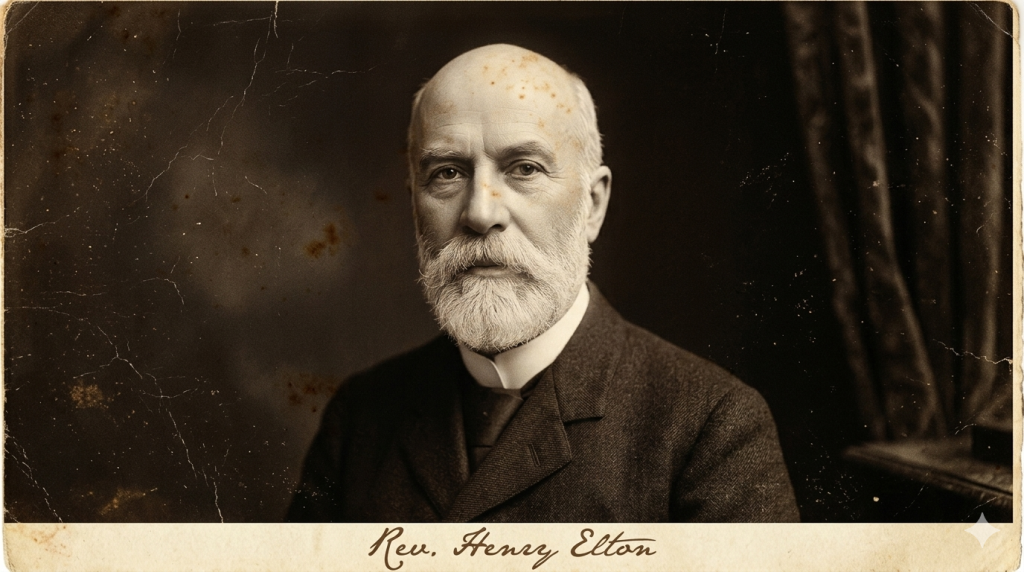
The history of St. Michael and All Angels Church began in 1888, when Rev. W. H. Elton initiated the construction of a permanent Anglican church on Elton Hill in Sandakan. The project was ambitious for its time and required perseverance over many years. The church building was designed by New Zealand architect B. W. Mountfort, modeled after Christchurch Cathedral in New Zealand.
Construction progressed slowly due to limited funds, lack of machinery, shortage of skilled labor, and the missionary responsibilities of Rev. Elton himself. The structure evolved through several stages—first timber, then brick, and finally stone. Much of the stone was quarried from Buli Sim Sim, while decorative white stones used around the windows and doors were imported from Hong Kong. Prison labor transported the heavy stones to the construction site.
Despite these challenges, the project continued steadily. Remarkably, when a severe earthquake struck Sandakan on 21 September 1897, the stone structure remained undamaged.
After thirteen years of construction, the church building was finally completed and formally dedicated on 30 September 1906. Rev. Elton continued serving as rector until 1914, when he returned to England, where he passed away later that same year. His perseverance laid the physical and spiritual foundation of the parish for generations to come.
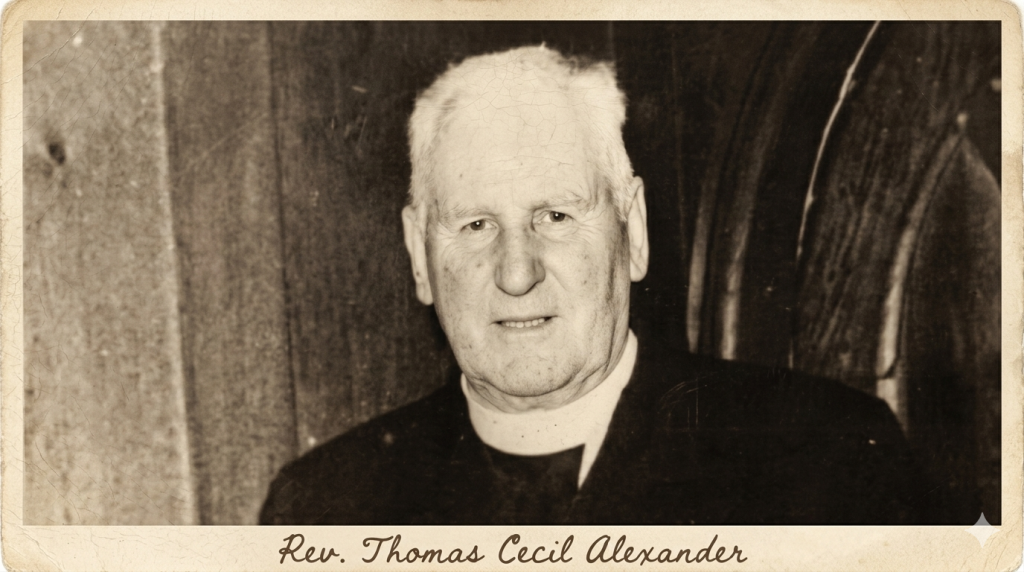
Rev. Thomas Cecil Alexander took the mantle in 1914, followed by Archdeacon Bernard Mercer (1926–1939). The church became a pillar of the community, focusing on education and the spiritual grounding of North Borneo. In 1936, Rev. Henthorne arrived to lead St. Michael’s School, eventually becoming Rector and working alongside Rev. Sung Khi Fong, a figure who would become crucial during the coming darkness.
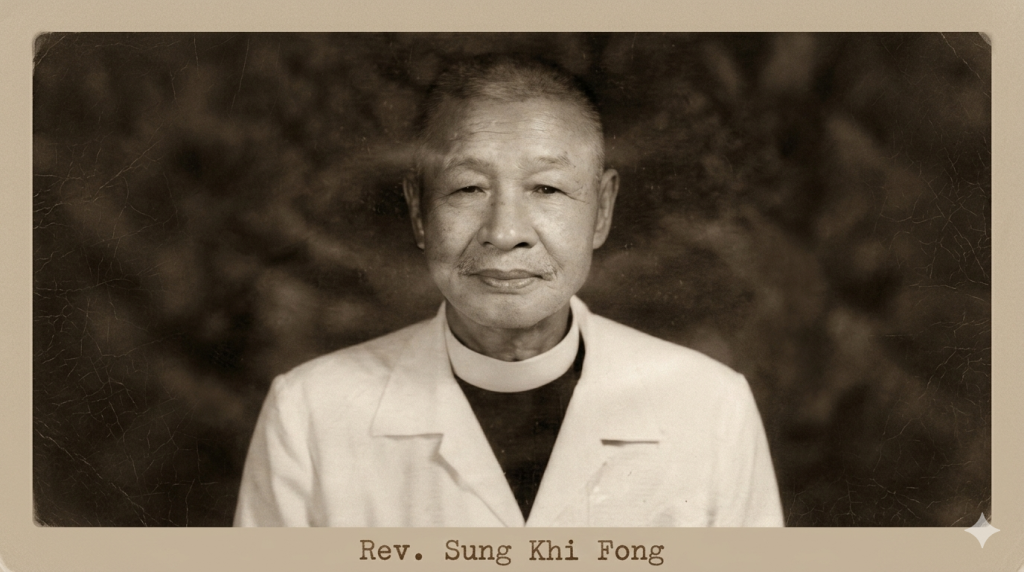
When Japanese forces landed in Sandakan in 1942, the church’s ministry faced severe disruption. On 28 September 1942, the church building was closed and converted into a military store. Worship services continued informally in Rev. Sung Khi Fong’s house.
Near the end of the war, tragedy struck when the church was bombed and burned on 5 June 1945.x
After the war, Rev. Sung Khi Fong served as priest-in-charge until 1947, when Rev. Sparrow assumed leadership from 1947 to 1949. Rev. Sung again served briefly as priest-in-charge from 1949 to 1950.
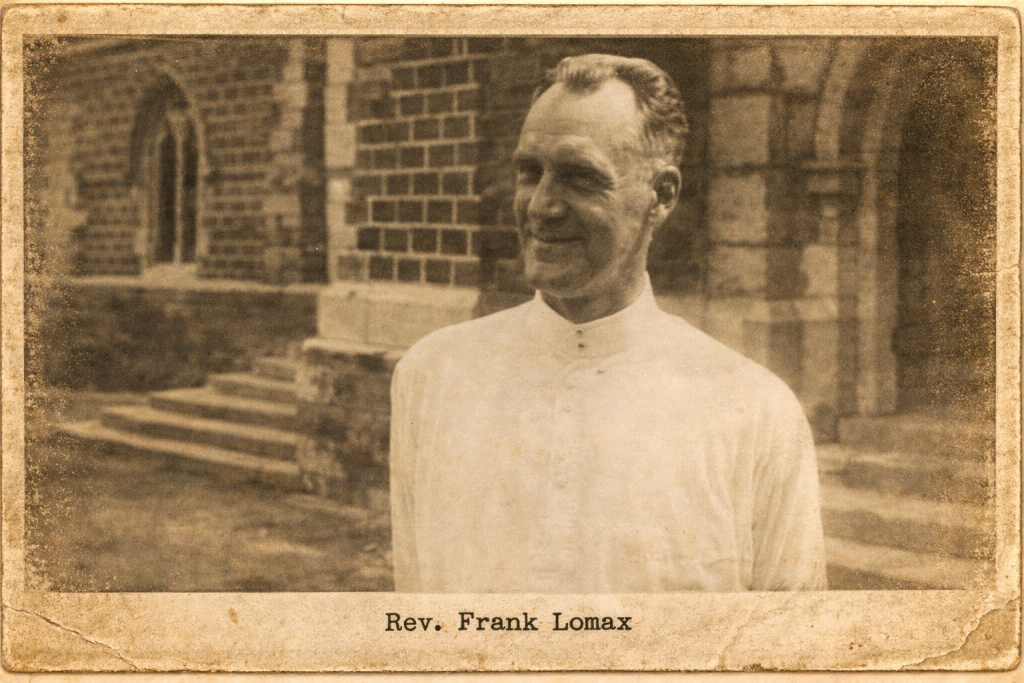
A new chapter began in 1950, when Rev. Frank Lomax arrived and undertook the rebuilding and restoration of the church. The restoration was completed, and the church was reopened on 16 December 1950.
Rev. Lomax placed strong emphasis on mission and evangelism beyond Sandakan, particularly in the interior regions of Sabah. Together with Bruce Sandilands, he traveled widely to areas such as Labuk, Tongud, Sapi, Telupid, and Segama.
This missionary vision led to the establishment of the North Borneo Interior Mission (later Sabah Anglican Interior Mission – SAIM) in 1956, a significant step in Anglican outreach in Sabah’s interior.
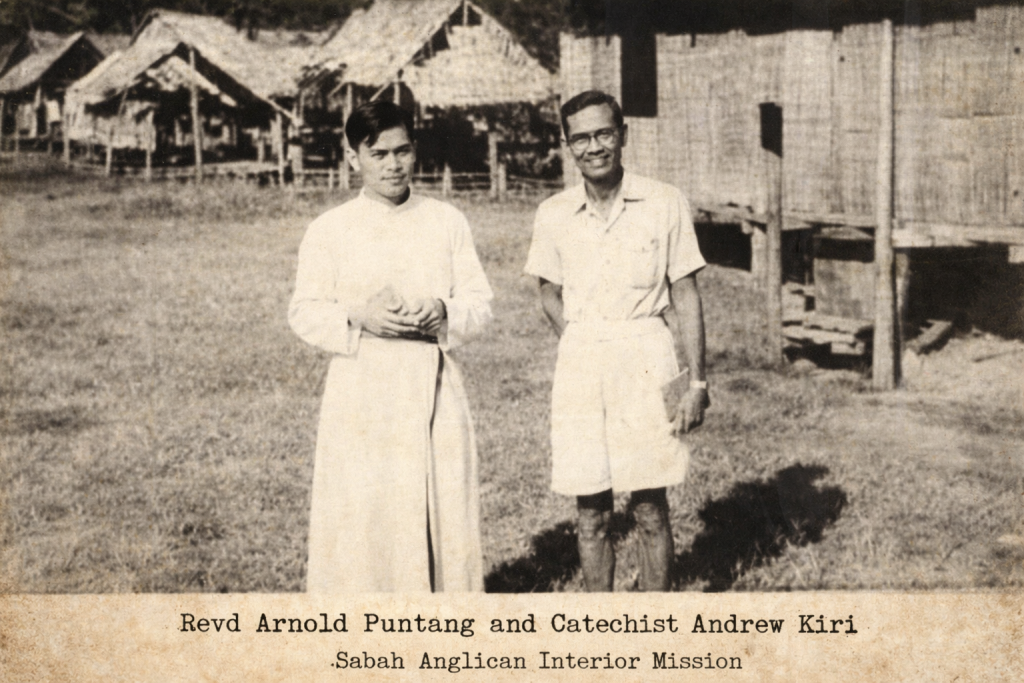
The mission continued expanding, and on 30 December 1957, the Epiphany Mission in Tongud was started when Bishop Cornwall commissioned Rev. Puntang and Catechist Kiri for the work.
This era marked a shift from reconstruction toward outward mission, extending the church’s influence far beyond Sandakan.
Another turning point came in 1973 when The Ven. Yong Ping Chung became rector. His leadership initiated renewed strategic planning for mission work.
On 30–31 July 1973, an important consultation meeting reviewed the work of the Sabah Anglican Interior Mission (SAIM) for the first time since 1965. The meeting produced several significant recommendations:
- Establishing a simple Bible school
- Translating Gospel and Epistle readings into local languages
- Strengthening evangelism efforts
- Reorganizing the catechist system
Under Ven. Yong’s visionary leadership, plans were also made to expand the parish. After two years of prayer and preparation, he proposed the construction of a daughter church. A building fund began in August 1978, and the new church, The Church of the Good Shepherd, was consecrated on 6 May 1984.
This period strengthened both leadership structure and missionary strategy within the parish.